
Explore the murky world of the Devonshire Smugglers in this vintage, historical map, showing key places of illicit activity through the mid-eighteenth and early nineteenth century.
Devon is a place close to my heart, and I am often down there during the summer visiting friends and family, camping, barbecuing and diving the coast. The county is steeped in history and for me some of the most exciting of that is the old smugglers trade. There is so much of that past still to discover, from secluded coves to old taverns with ancient maps and memories on the walls.
An excellent feature for your wall or great gift for maritime, smuggler and Devon enthusiasts, this 12x12-inch map is printed onto Museum-Quality Archival paper, ensuring a high-quality and long-lasting piece of art for your wall. It comes unframed or in a wooden frame, with a range of frame colours to chose from. All cartography is my own, and no AI is used.
£48 unframed
£68 framed
Free Worldwide Shipping
Notes Each piece is individually printed, and subtle variations in tone and finish may occur.

This antiquated map delves into the coves and lairs of Devon’s historical smugglers.
Each map is created through a combination of detailed historical research, field-work and modern cartographical techniques, blended with my passion for history, places and maps.
Devon is a place close to my heart, and I am often down there during the summer visiting friends and family, camping, barbecuing and diving the coast. The county is steeped in history and for me some of the most exciting of that is the old smugglers trade. There is so much of that past still to discover, from secluded coves to old taverns with ancient maps and memories on the walls.
Print Options; Memento 6”x6”
The mounts are 8×8”, neatly fitting a standard-sized frame.
Free Worldwide Shipping
Notes Each piece is individually printed, and subtle variations in tone and finish may occur.
“My Lords have however sufficient evidence before them of the increase of this extensive evil and of the immediate necessity for the adoption of other measures, to protect the legal commerce and realize the fair revenues of the country.
This necessity is the more urgent because in addition to the enormous increase and the more daring character of the smugglers let loose by the termination of the war those legislative measures which were most efficacious in checking these obnoxious practices whilst hostilities continued have become less operative in consequence of peace.”
A Treasury Minute issued 2 February 1816
Smugglers have long captured our collective imagination, with tales of moonlit coves, adventures under cover of darkness, desperate chases along rugged clifftops and, of course, the rewards of money, brandies and fine wine. And Devon, with its two coastlines full of character and history, is one of the places where these tales and legends best survive.
If You wake at midnight, and hear a horse's feet,
Don't go drawing back the blind, or looking in the street,
Them that asks no questions isn't told a lie.
Watch the wall, my darling, while the Gentlemen go by!
A Smuggler’s Song; Rudyard Kipling
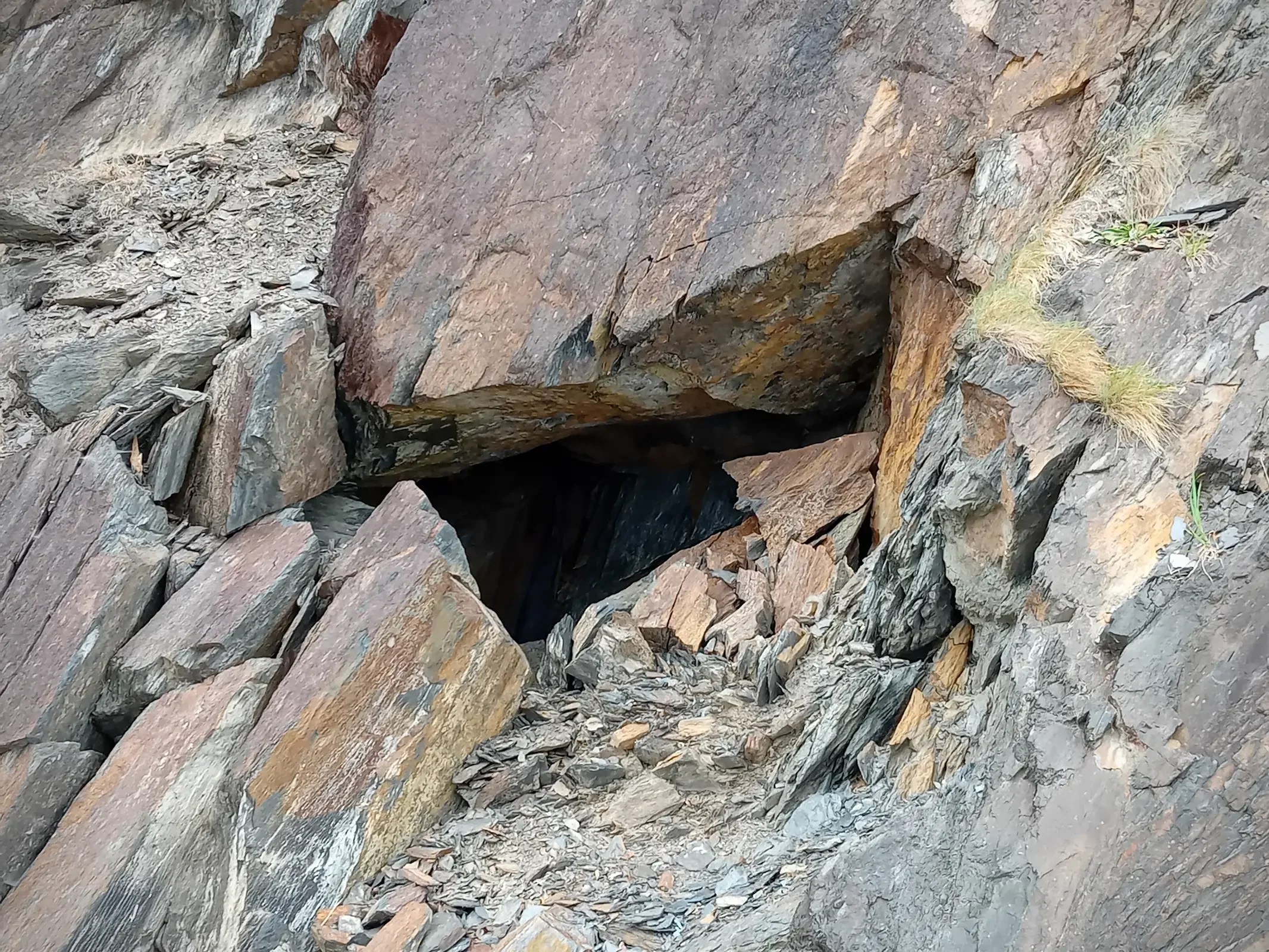
cave on the north Devon coast
The wars with France meant great opportunity for smugglers. To raise money, the British government imposed high tariffs and import-duties on many luxury goods, and of course the much sought-after wines and brandies from across the channel became hard to get by legal means. The sheer number of people involved in smuggling, the many coves and hidden caves, the fast cutters, meant that it was very hard for the government to tackle the issue.
"Not once, but times without number the smuggling cutters had evaded the Revenue cruisers at sea, showing them a clean pair of heels."
— E. Keble Chatterton, King's Cutters and Smugglers 1700–1855
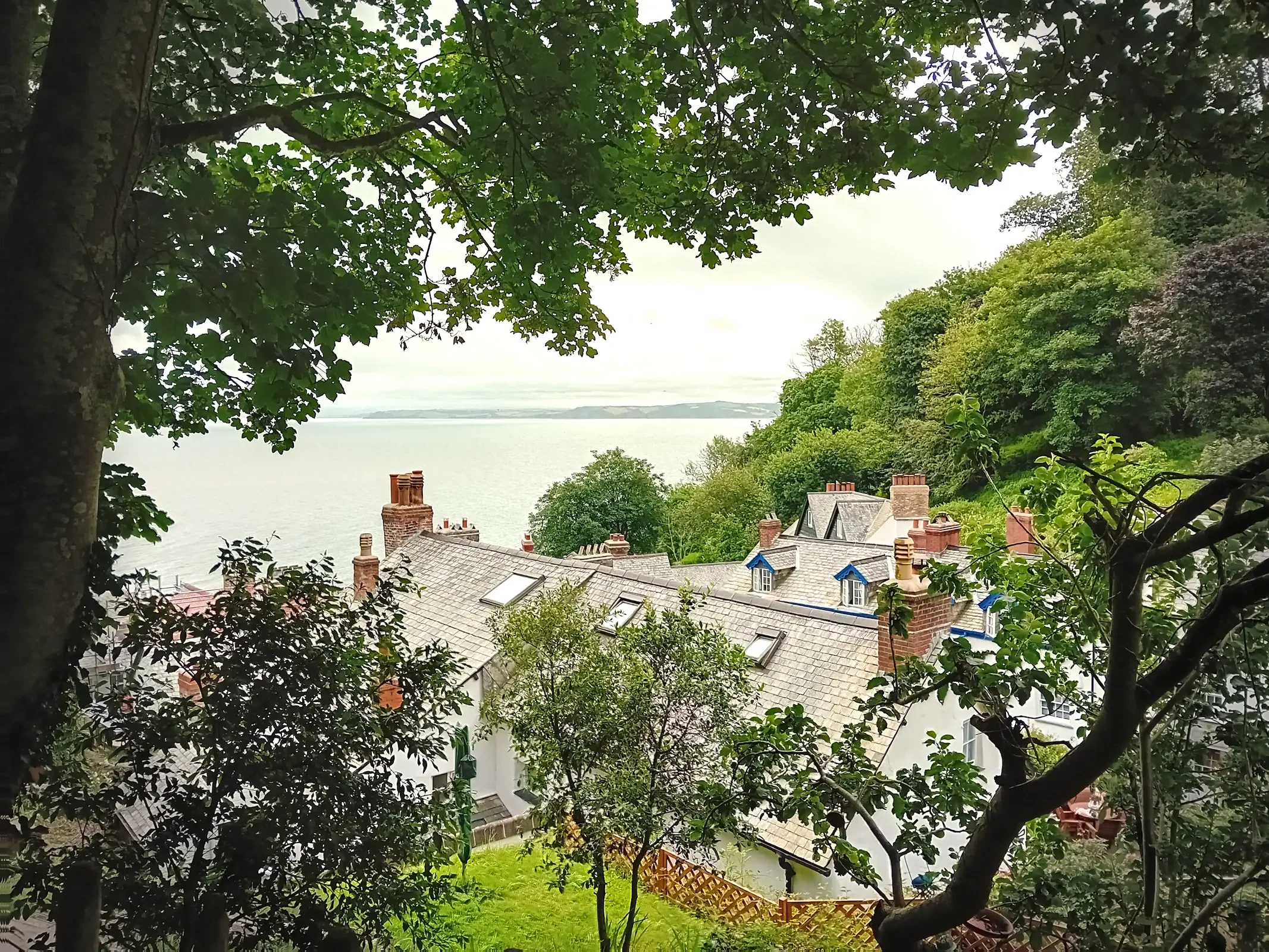
In response, the government invested heavily in customs officers, creating a dedicated maritime force and, eventually, deploying a network of military-style Customs and Excise forces along the coast. Soon, the penalty for many a smuggling offence was death.
"And be it further enacted... that if any person or persons shall maliciously shoot at, or wound, any officer of His Majesty's Customs or Excise... whilst in the execution of his duty... such person or persons shall suffer Death as a Felon, without Benefit of Clergy."
— Smuggling Act 1805 (45 Geo. III c.121)
With both the stakes and the prizes so high, both sides soon found themselves in a war, where the price of being caught, and the price of duty, could be high.
"A Fatal Duty, 1755"
Whilst attempting to extinguish a signal fire between Beer and Seaton used to guide a smuggling vessel offshore, John Harley, Custom House Officer, fell from the cliff top and was killed.
— Memorial inscription, Branscombe Church
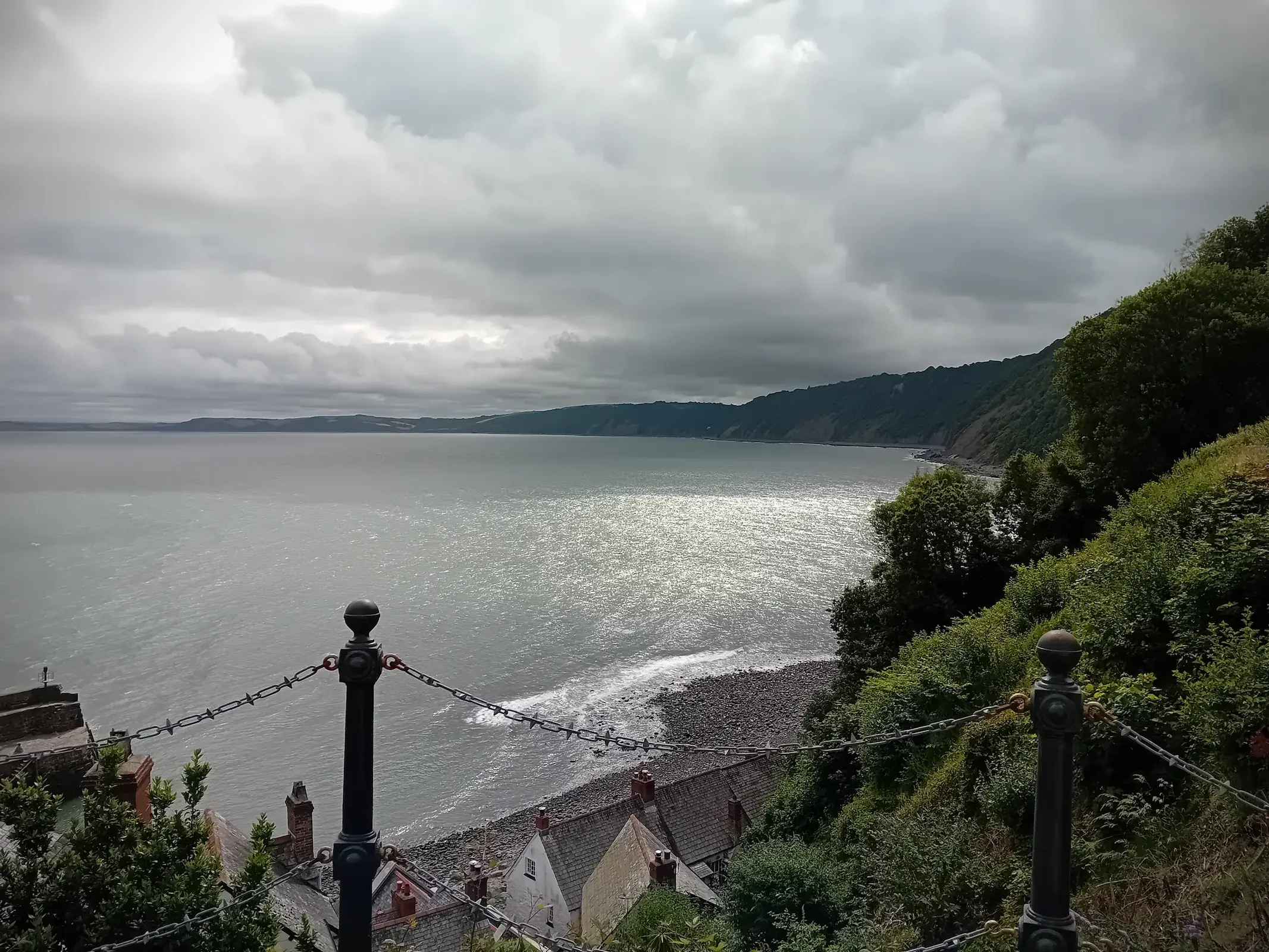
Perhaps one of the most famous, or infamous, smugglers of the day was Jack Rattenbury, though this may largely have been due to his portrayal of himself in his autobiography "Memoirs of a Smuggler (1837)”, in which he appears very brave and resourceful indeed.
"I declared I would kill the first man who came near me, and that I would not be taken from the spot alive. At this, the sergeant was evidently terrified, but he said to his men, 'Soldiers, do your duty, advance and seize him;' to which they replied, 'Sergeant, you proposed it: take the lead.' No one, however, offered to advance."
— Jack Rattenbury, Memoirs of a Smuggler (1837)
Operating largely around the villages of Beer and Buscombe, he tells tales of escaping the press gang, smuggling French prisoners back to France (perhaps one of the more unusual contrabands), of daring escapes from prisons and resourceful evasions of the law…
"The same lieutenant, learning this fact, tracked him to the tavern where he slept, and burst in at 2 a.m. Rattenbury had just time to climb up the chimney before the officer and his men entered. They searched the house, but could not find him. When they were gone he descended much bruised, half-stifled, and covered with soot."
— Jack Rattenbury, Memoirs of a Smuggler (1837)
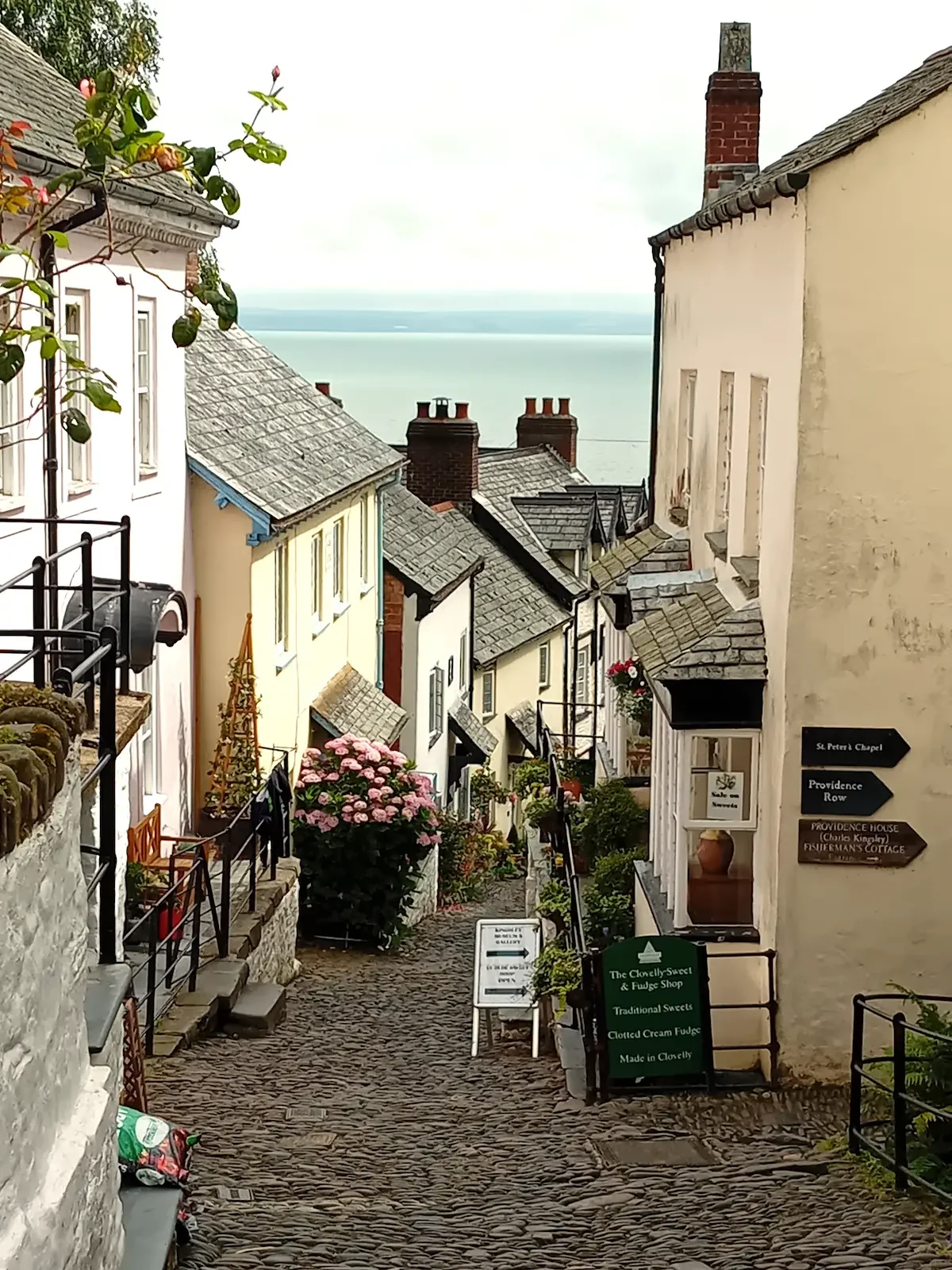
Perhaps some of what makes Devon so special a place for this Smugglers' Map, is that so much of the historical character survives. Walking the clifftops above a wild sea, spying caves disappearing enticingly into the darkness, old stone villages which feel almost untouched since those desperate days and cosy, tucked away inns where you can sip ale, or fine wines or brandies, in the same, well-worn rooms as those Devon smugglers did those centuries ago.
Explore the murky world of the Devonshire Smugglers in this vintage, historical map, showing key places of illicit activity through the mid-eighteenth and early nineteenth century.
Devon is a place close to my heart, and I am often down there during the summer visiting friends and family, camping, barbecuing and diving the coast. The county is steeped in history and for me some of the most exciting of that is the old smugglers trade. There is so much of that past still to discover, from secluded coves to old taverns with ancient maps and memories on the walls.
An excellent feature for your wall or great gift for maritime, smuggler and Devon enthusiasts, this 12x12-inch map is printed onto Museum-Quality Archival paper, ensuring a high-quality and long-lasting piece of art for your wall. It comes unframed or in a wooden frame, with a range of frame colours to chose from. All cartography is my own, and no AI is used.
£48 unframed
£68 framed
Free Worldwide Shipping
Notes Each piece is individually printed, and subtle variations in tone and finish may occur.
This antiquated map delves into the coves and lairs of Devon’s historical smugglers.
Each map is created through a combination of detailed historical research, field-work and modern cartographical techniques, blended with my passion for history, places and maps.
Devon is a place close to my heart, and I am often down there during the summer visiting friends and family, camping, barbecuing and diving the coast. The county is steeped in history and for me some of the most exciting of that is the old smugglers trade. There is so much of that past still to discover, from secluded coves to old taverns with ancient maps and memories on the walls.
Print Options; Memento 6”x6”
The mounts are 8×8”, neatly fitting a standard-sized frame.
Free Worldwide Shipping
Notes Each piece is individually printed, and subtle variations in tone and finish may occur.
